Shivalik harvest guide
Himalayan multi-flora honey, collected not blended
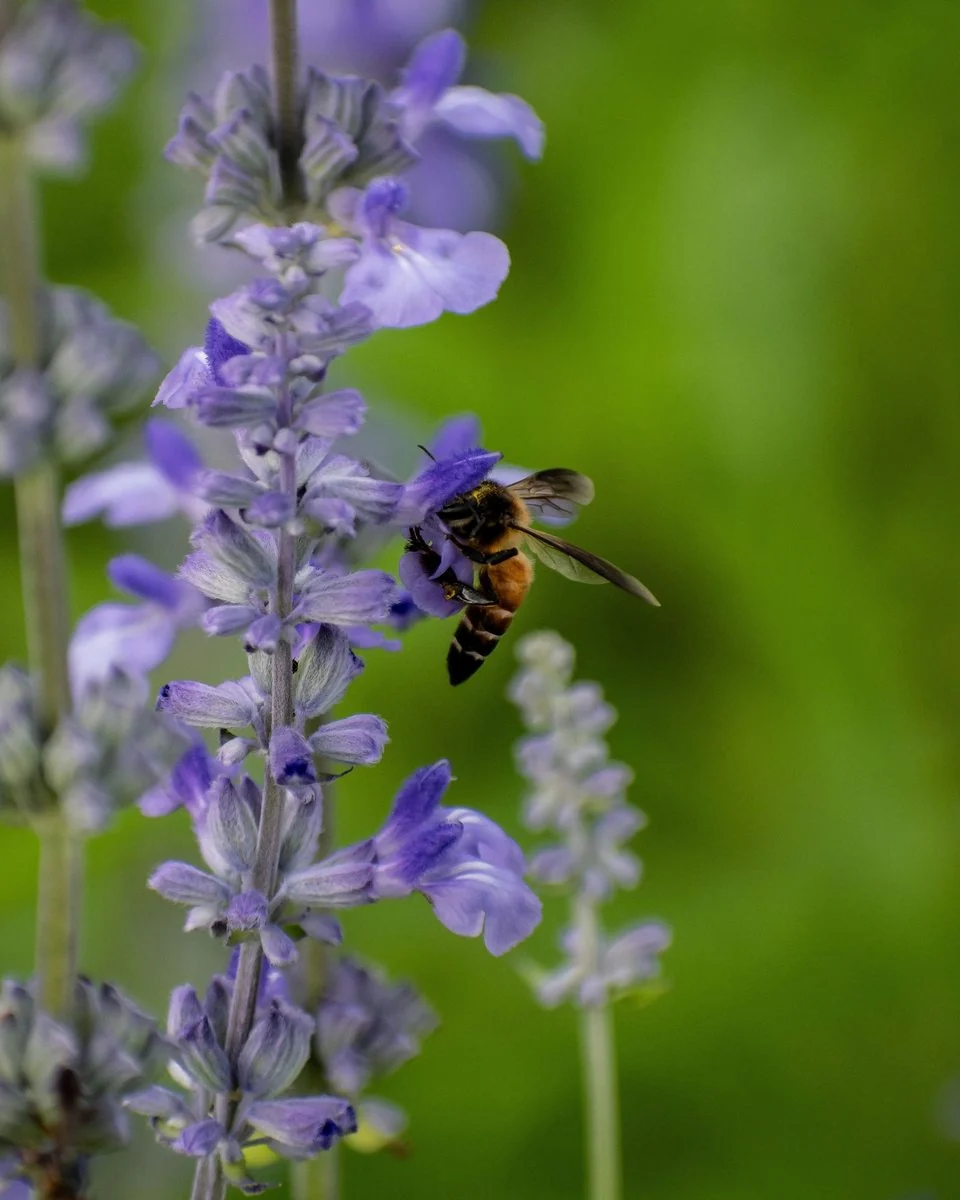
Multi-flora describes where the bees foraged. It does not mean several finished honeys were mixed together.
- 0%
- C3 and C4 syrup markers
- Under 15
- HMF in mg/kg, against an 80 limit
- 4.5
- average across 153 reviews
- 24 to 48h
- Hyderabad dispatch window
Multi-flora, uni-flora, and forest honey
Uni-flora honey is associated mainly with one bloom. Multi-flora honey comes from several flowering sources available during the same foraging period. The phrase forest honey is often used loosely in marketing, so origin and process matter more than the word alone.
The Shivalik range
Wholly Forest sources from the Shivalik range of the Himalayas. Bees can work mustard, acacia, bramble, hill herbs, and other seasonal blooms. This is not Manuka and it is not sold as a named single-flower varietal.
Why colour and flavour move with the season
Rain, temperature, bloom timing, and the local flower mix change from harvest to harvest. One batch may taste brighter or look lighter than another. That variation is expected in seasonal multi-flora honey.
Frequently asked questions
Is multi-flora honey blended?
Not necessarily. Here it means bees gathered nectar from several blooms during the harvest period.
Is this Manuka honey?
No. It is Himalayan multi-flora honey from the Shivalik range.
Why can batches taste different?
Seasonal flowers, rainfall, temperature, and harvest timing affect flavour and colour.
Is forest honey a regulated floral type?
The term is often used broadly, so check the stated origin, process, and testing.